Tell us about the job
Takes about a minute. No obligation.
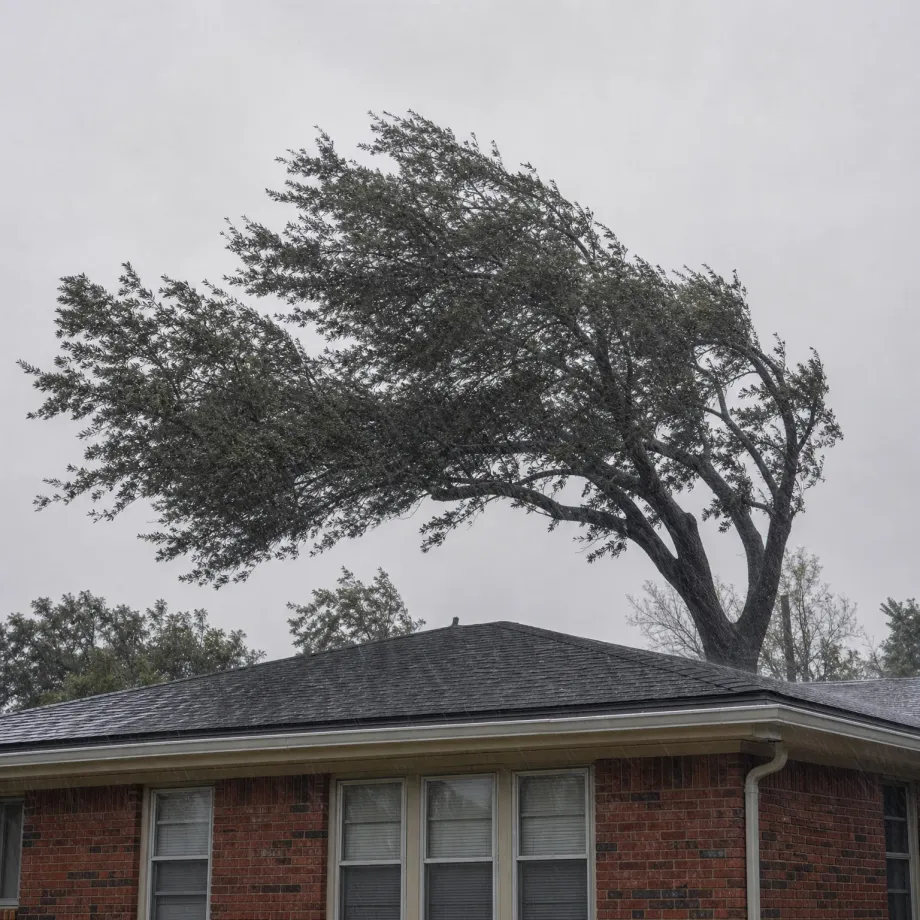
A furnace installation in Rhea County starts with what the house actually demands, not a regional assumption about brutal winters or storm-driven wear. 62 severe weather events were recorded in Rhea County, Tennessee between 2015 and 2024. At that rate, severe weather is an occasional fact of life here, not a standing operating condition, which means a contractor's sizing decisions turn on the structure itself: its square footage, insulation, duct layout, and how the previous system was set up. A unit undersized because a contractor skipped a proper load calculation will struggle regardless of what the sky does.
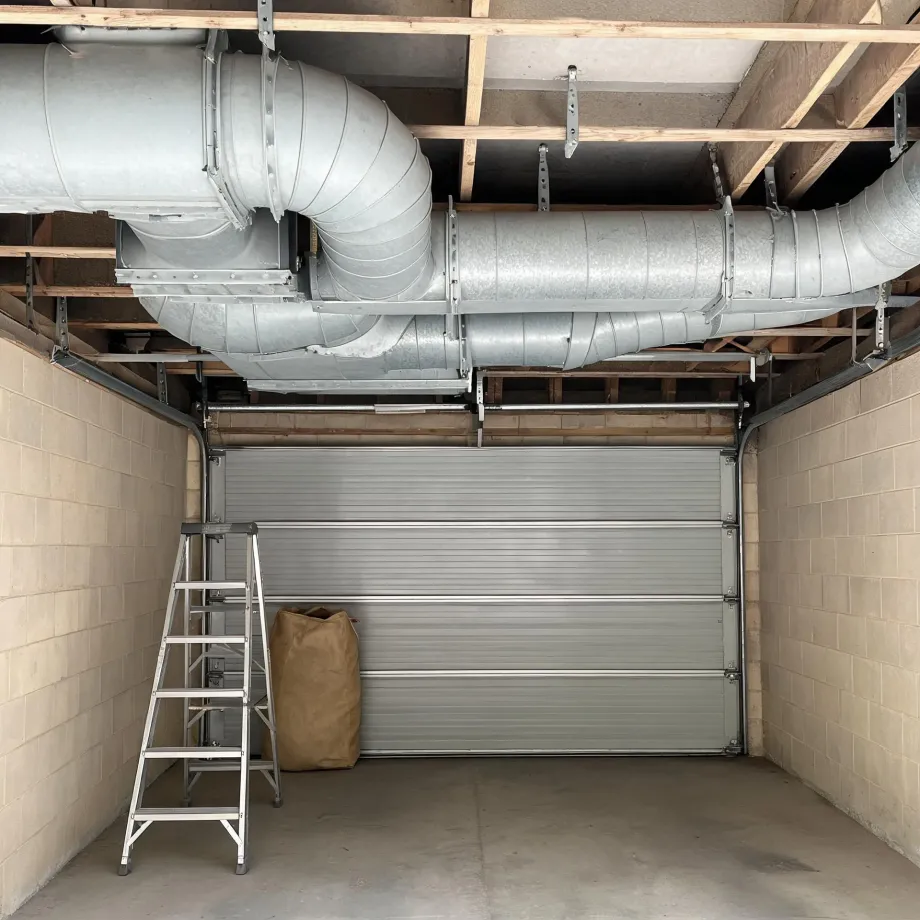
Existing ductwork in a house this age was designed around equipment generations removed from what a contractor installs today, and what it will and will not carry is the question a furnace job turns on. Half the homes in Rhea County, Tennessee were built in 1988 or earlier (2020-2024 ACS 5-year). That gap between when the house was built and what runs in it now is what a contractor has to measure before anything else gets priced. If the duct system cannot move the air a modern furnace pushes, the installation scope changes. The electrical side gets checked for the same reason.
What Gets Installed With a New Furnace
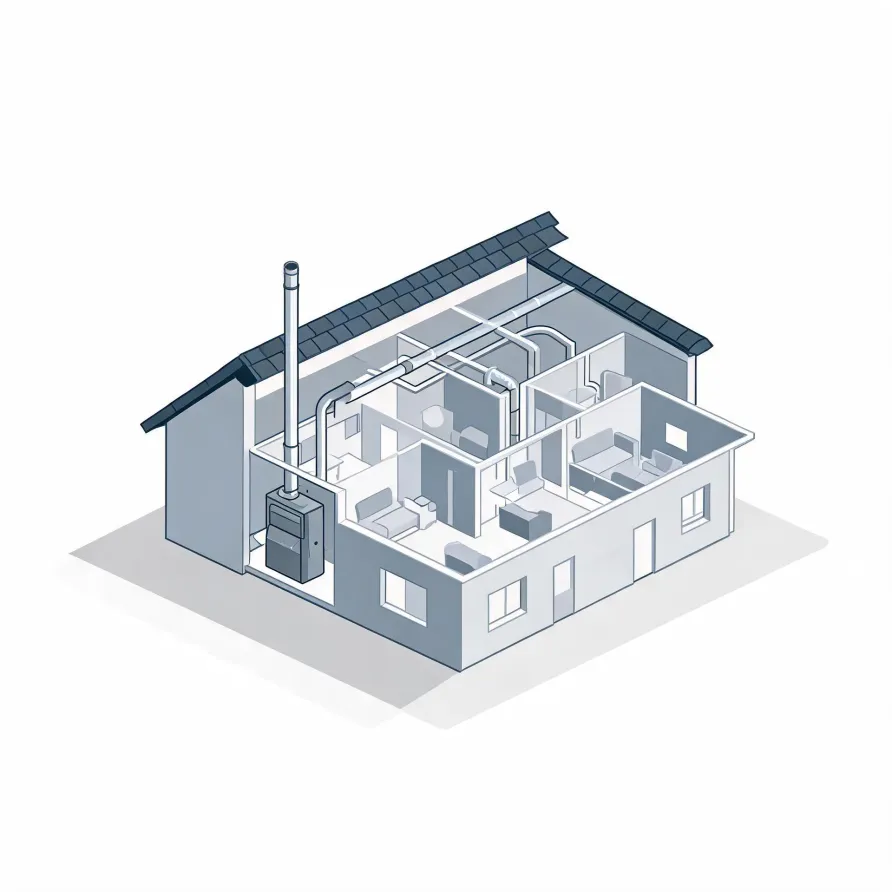
The furnace itself sits inside the house, most often in a basement, utility closet, or crawlspace. It holds the burner assembly, the heat exchanger, and the blower in a single cabinet. That cabinet is what a contractor sets in place and connects to the rest of the system.
The flue pipe runs from the top or rear of the furnace to an exterior wall or the roofline, carrying combustion gases out of the house. A thermostat mounts on an interior wall and gives the homeowner control over when the furnace fires and what temperature it holds.
The drawing shows a typical layout, and a licensed contractor determines what applies to this particular house.
Find a contractor in Rhea CountyRhea County, by the numbers
62 severe weather events were recorded in Rhea County, Tennessee between 2015 and 2024.
NOAA National Centers for Environmental Information, Storm Events Database, bulk CSV export, events 2015-01-01 through 2024-12-31.Half the homes in Rhea County, Tennessee were built in 1988 or earlier (2020-2024 ACS 5-year).
U.S. Census Bureau, 2020-2024 American Community Survey 5-Year EstimatesRhea County, Tennessee holds 15,451 housing units (2020-2024 ACS 5-year).
U.S. Census Bureau, 2020-2024 American Community Survey 5-Year EstimatesOwners occupy 71.5% of the occupied homes in Rhea County, Tennessee (2020-2024 ACS 5-year).
U.S. Census Bureau, 2020-2024 American Community Survey 5-Year EstimatesFurnace Installation Rules for Rhea County, Tennessee5 codes, standards, and laws
What the Installation Actually Looks Like
Non-weatherized gas furnaces manufactured on or after November 19, 2015 must reach 80.0 percent AFUE.
Non-weatherized oil-fired furnaces manufactured on or after November 19, 2015 must reach 83.0 percent AFUE.
Mobile home gas furnaces manufactured on or after November 19, 2015 must reach 80.0 percent AFUE.
Non-weatherized gas furnaces manufactured on or after December 18, 2028 must reach 95.0 percent AFUE, up from the 80.0 percent minimum that applies to units manufactured before that date.
Licensing Rules for HVAC Work in Rhea County, Tennessee
Tennessee licenses contractors by classification, and HVAC, refrigeration and gas piping is one of them — a sub-classification of mechanical contracting on the licence the Board for Licensing Contractors issues.
Severe Weather Events in Rhea County
Weather in Rhea County puts real demands on heating equipment: hard cold snaps, humidity swings, and storm pressure all push systems harder and shorten the window before something fails. What a furnace handles here is not the same as what one handles somewhere milder, and that shapes the installation decisions a contractor makes.
62 severe weather events, 2015–2024. Source: NOAA National Centers for Environmental Information, Storm Events Database.