Tell us about the job
Takes about a minute. No obligation.
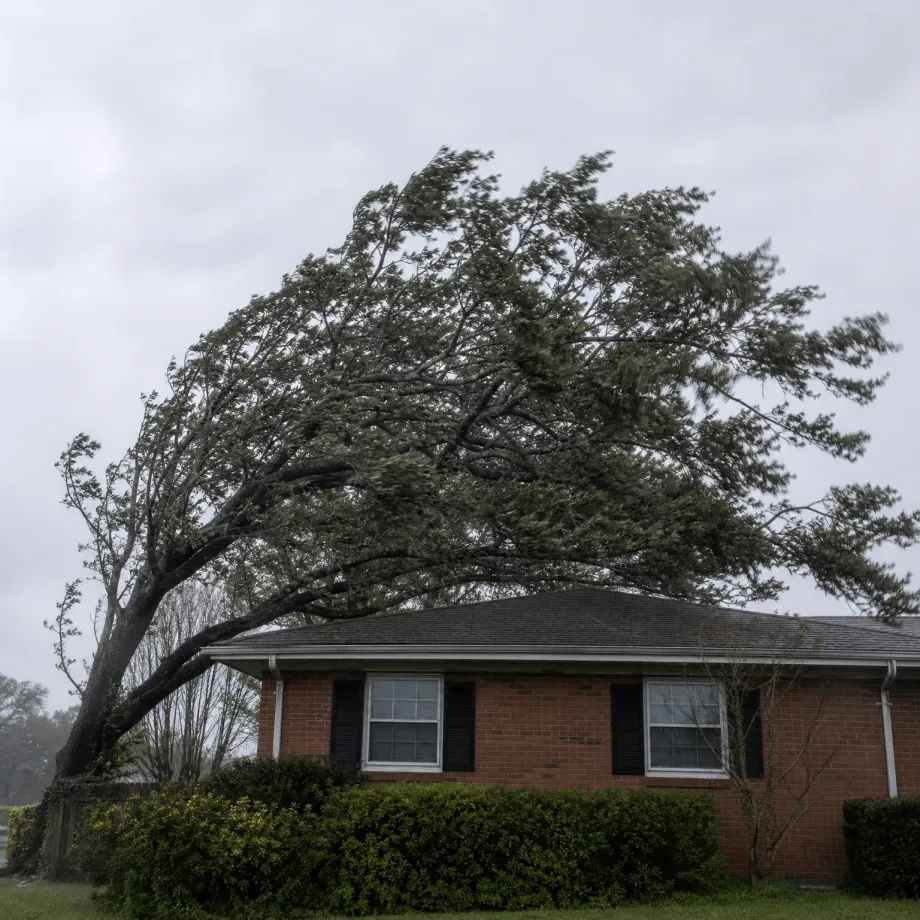
A furnace repair in Lauderdale County starts with age and installation quality, because those are what the local record points toward. 47 severe weather events were recorded in Lauderdale County, Tennessee between 2015 and 2024. At that rate, severe weather is something a system here may see a handful of times in its life, not a sustained load that grinds components down season after season. A contractor opening a heat exchanger or testing a control board in this county is looking at how old the equipment is, how well it was installed, and whether it has been serviced, because those factors explain what fails here far more often than weather does.
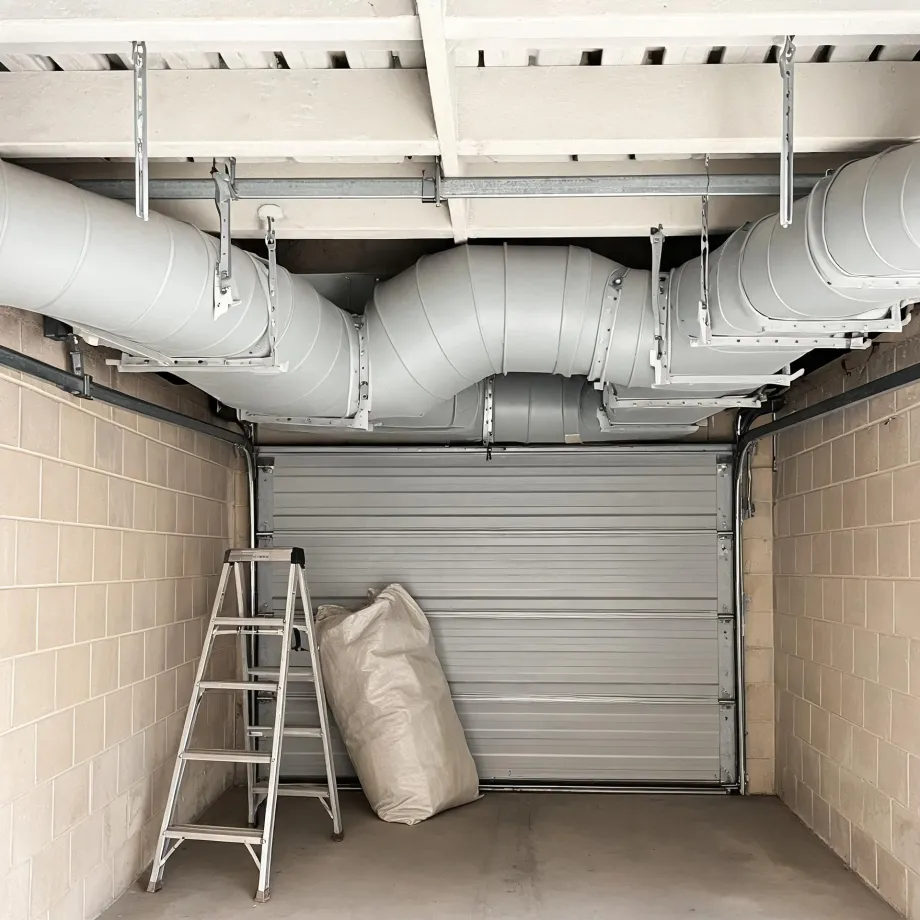
Ductwork and wiring in a house this age have already been through at least one round of equipment replacement, sometimes more. Half the homes in Lauderdale County, Tennessee were built in 1981 or earlier (2020-2024 ACS 5-year). That history means the furnace a contractor opens today is unlikely to be the original one, but it may be old enough that sourcing the heat exchanger, the igniter, or the control board requires searching outside standard distributor stock. A repair that looks straightforward from the outside can stall on parts availability, and that is the variable worth asking about before the job is scheduled.
The Parts of a Furnace a Contractor Checks First
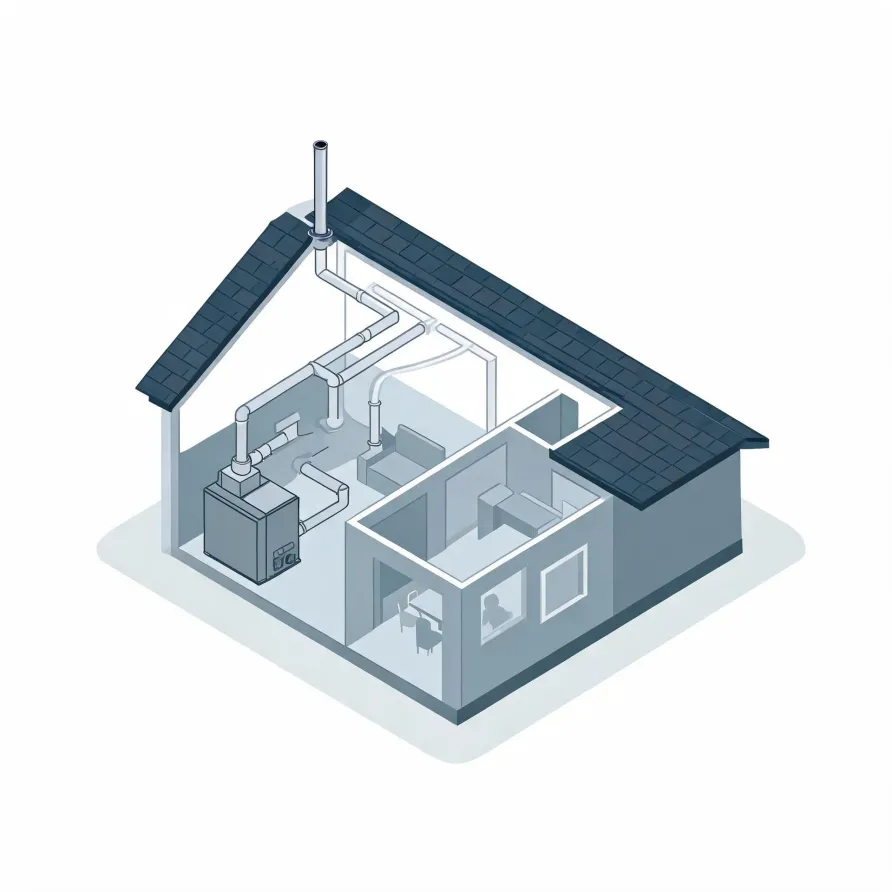
The furnace itself sits in a utility space, basement, or closet and is the unit that produces heat. Inside it, the heat exchanger is what a contractor looks at closely when something feels wrong: cracks or corrosion there let combustion gases into the air supply. The burners, which sit just below it, are another early target when the system fails to heat properly.
The blower motor sits at the base of the furnace cabinet and pushes conditioned air out through the supply side of the duct system. The flue pipe runs from the top of the unit to an outside exhaust point, and a blocked or corroded flue shows up in the same way several other faults do, so contractors check it alongside the inducer that pulls gases through it.
The drawing shows the general layout of these components, and a licensed contractor determines what applies to the specific equipment and configuration in your house.
Find a contractor in Lauderdale CountyLauderdale County, by the numbers
47 severe weather events were recorded in Lauderdale County, Tennessee between 2015 and 2024.
NOAA National Centers for Environmental Information, Storm Events Database, bulk CSV export, events 2015-01-01 through 2024-12-31.Half the homes in Lauderdale County, Tennessee were built in 1981 or earlier (2020-2024 ACS 5-year).
U.S. Census Bureau, 2020-2024 American Community Survey 5-Year EstimatesLauderdale County, Tennessee holds 10,703 housing units (2020-2024 ACS 5-year).
U.S. Census Bureau, 2020-2024 American Community Survey 5-Year EstimatesOwners occupy 64.4% of the occupied homes in Lauderdale County, Tennessee (2020-2024 ACS 5-year).
U.S. Census Bureau, 2020-2024 American Community Survey 5-Year EstimatesCodes & Standards Covering Furnace Repair in Lauderdale County, Tennessee5 sourced rules and standards
What Furnace Repair Looks Like in Lauderdale County
Non-weatherized gas furnaces manufactured on or after November 19, 2015 must reach 80.0 percent AFUE.
Non-weatherized oil-fired furnaces manufactured on or after November 19, 2015 must reach 83.0 percent AFUE.
Mobile home gas furnaces manufactured on or after November 19, 2015 must reach 80.0 percent AFUE.
Non-weatherized gas furnaces manufactured on or after December 18, 2028 must reach 95.0 percent AFUE, up from the 80.0 percent minimum that applies to units manufactured before that date.
Licensing and Legal Requirements in Lauderdale County, Tennessee
Tennessee licenses contractors by classification, and HVAC, refrigeration and gas piping is one of them — a sub-classification of mechanical contracting on the licence the Board for Licensing Contractors issues.
Severe Weather Events in Lauderdale County
Weather puts real hours on heating equipment. Hard freezes, sudden temperature swings, and storm-driven power surges all push a furnace harder than a steady winter would, and that wear shows up as repair calls.
47 severe weather events, 2015–2024. Source: NOAA National Centers for Environmental Information, Storm Events Database.