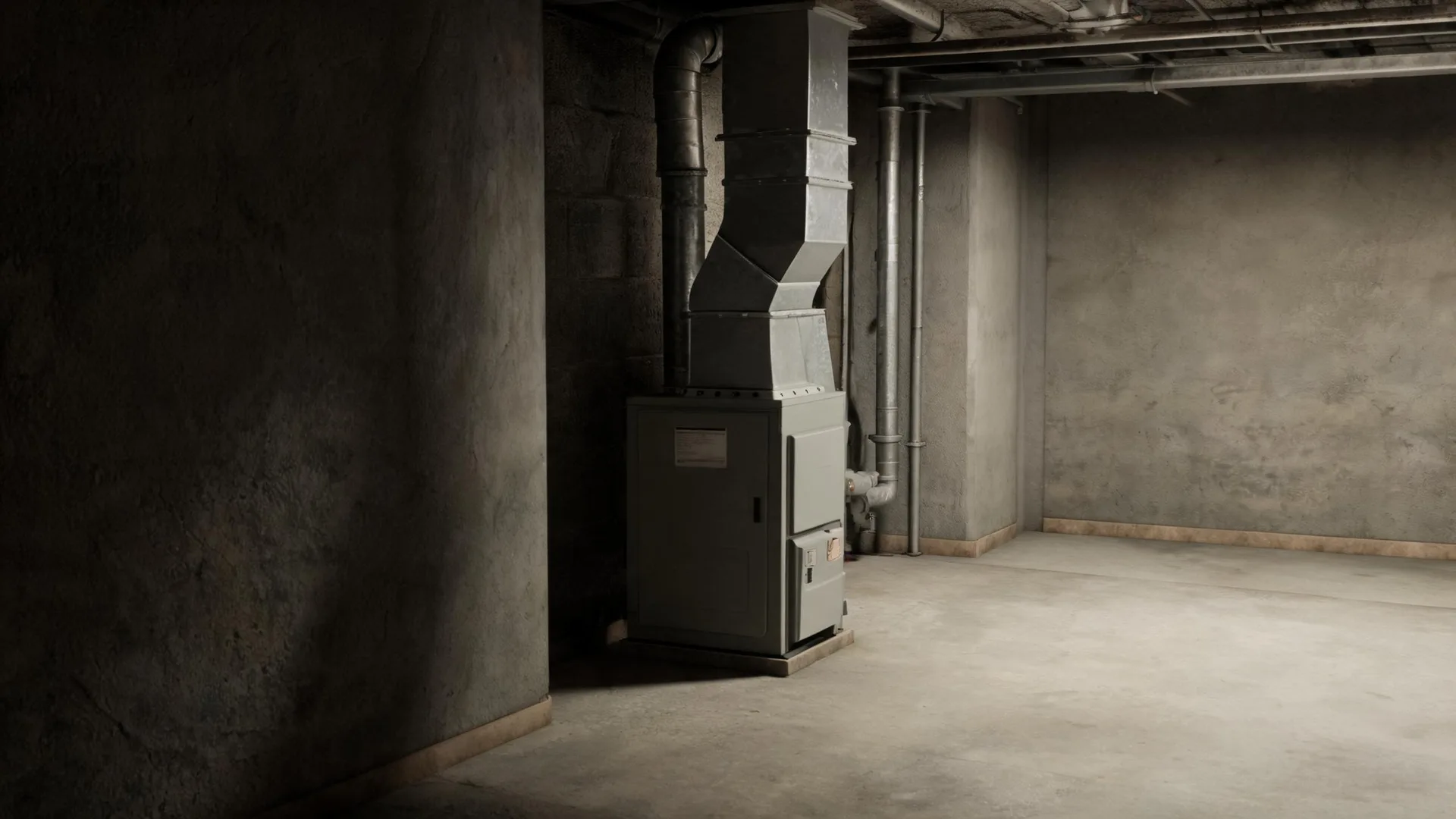
Tell us about the job
Takes about a minute. No obligation.
A contractor called out to diagnose a furnace in Hardin County is not walking into a system battered by relentless seasonal extremes. 69 severe weather events were recorded in Hardin County, Tennessee between 2015 and 2024. At that rate, severe weather is an event in this county, not a standing operating condition. A furnace that has stopped working here is most likely failing because of age, a poor original installation, or years without a filter change or tune-up. The weather record gives a contractor little to point at, and the inspection will go accordingly.
Furnace parts fail in patterns that the age of the surrounding house helps explain. Half the homes in Hardin County, Tennessee were built in 1986 or earlier (2020-2024 ACS 5-year). A system that has carried a house through that many heating seasons tends to show specific wear when a contractor opens it: heat exchanger fatigue, limit switches at the end of their range, flue connections that have worked loose over years of expansion and contraction. Those are not random failures. They are what repeated thermal cycling eventually produces, and a contractor who knows what to look for in stock of this vintage can move from inspection to repair without chasing the wrong component first.
The Parts of a Furnace a Contractor Checks First
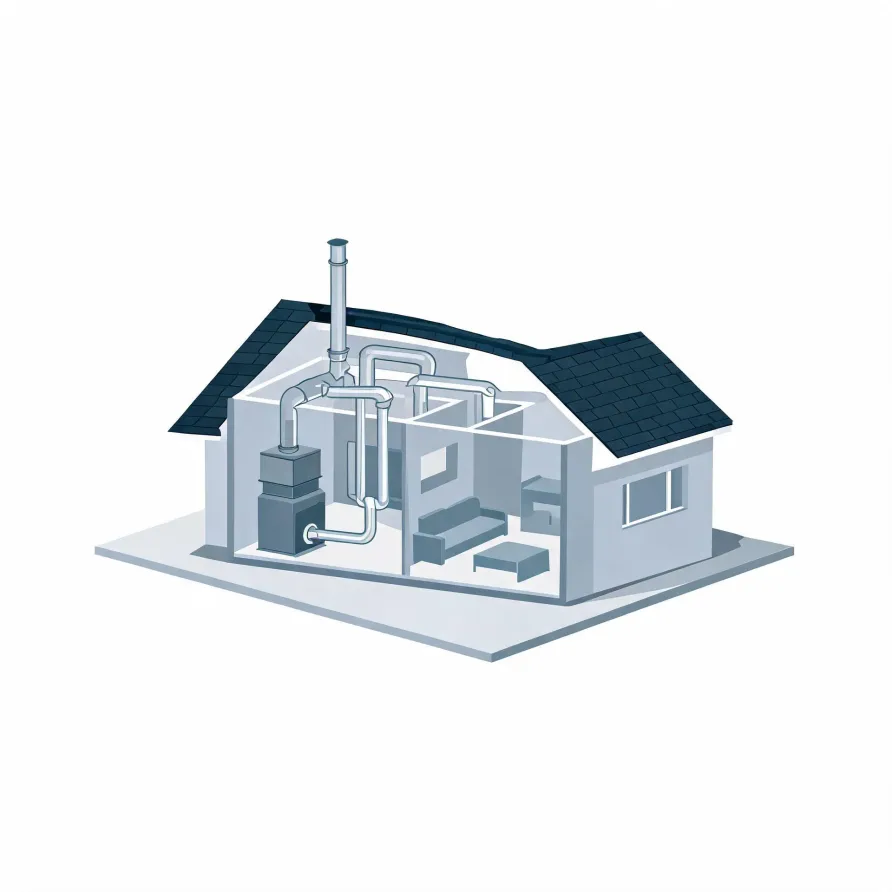
The furnace cabinet sits in a basement, utility closet, or mechanical room and holds most of what a contractor examines. Inside it, the heat exchanger is the first place a technician looks when a furnace runs but heats poorly or trips the system off. The burners, which fire beneath it, are checked when ignition is unreliable or the flame pattern looks wrong.
The blower motor sits at the base of the cabinet and pushes conditioned air into the supply side of the house. The flue pipe runs from the cabinet to an exterior vent and is examined when combustion gases are a concern. A gas valve and an igniter or pilot assembly round out the parts a contractor works through on a typical repair call.
The drawing shows a general layout of these components, and a licensed contractor determines what applies to the specific furnace and setup in your home.
Find a contractor in Hardin CountyHardin County, by the numbers
69 severe weather events were recorded in Hardin County, Tennessee between 2015 and 2024.
NOAA National Centers for Environmental Information, Storm Events Database, bulk CSV export, events 2015-01-01 through 2024-12-31.Half the homes in Hardin County, Tennessee were built in 1986 or earlier (2020-2024 ACS 5-year).
U.S. Census Bureau, 2020-2024 American Community Survey 5-Year EstimatesHardin County, Tennessee holds 15,161 housing units (2020-2024 ACS 5-year).
U.S. Census Bureau, 2020-2024 American Community Survey 5-Year EstimatesOwners occupy 78.0% of the occupied homes in Hardin County, Tennessee (2020-2024 ACS 5-year).
U.S. Census Bureau, 2020-2024 American Community Survey 5-Year EstimatesCodes & Standards Covering Furnace Repair in Hardin County, Tennessee5 sourced rules and standards
What Happens Once a Contractor Comes Out
Non-weatherized gas furnaces manufactured on or after November 19, 2015 must reach 80.0 percent AFUE.
Non-weatherized oil-fired furnaces manufactured on or after November 19, 2015 must reach 83.0 percent AFUE.
Mobile home gas furnaces manufactured on or after November 19, 2015 must reach 80.0 percent AFUE.
Non-weatherized gas furnaces manufactured on or after December 18, 2028 must reach 95.0 percent AFUE, up from the 80.0 percent minimum that applies to units manufactured before that date.
Licensing and Legal Requirements in Hardin County, Tennessee
Tennessee licenses contractors by classification, and HVAC, refrigeration and gas piping is one of them — a sub-classification of mechanical contracting on the licence the Board for Licensing Contractors issues.
Severe Weather Events in Hardin County
Hard weather puts real stress on furnace systems, pushing them through demand spikes and power fluctuations that wear components faster than normal operation does. How often that happens in Hardin County shapes how much repair work equipment here actually faces.
69 severe weather events, 2015–2024. Source: NOAA National Centers for Environmental Information, Storm Events Database.