Tell us about the job
Takes about a minute. No obligation.
A furnace in Hamilton County has been running against real weather pressure, and a contractor diagnosing a repair here has to account for that before settling on a cause. 159 severe weather events were recorded in Hamilton County, Tennessee between 2015 and 2024. At that rate, severe weather is a standing part of the operating environment, not an occasional outlier, so worn heat exchangers and stressed ignition components get scrutinized for storm-related wear alongside the more common culprits. Still, a high share of furnace failures in this county come back to deferred maintenance or original installation quality, and a contractor will check both before attributing a failed part to weather load alone.
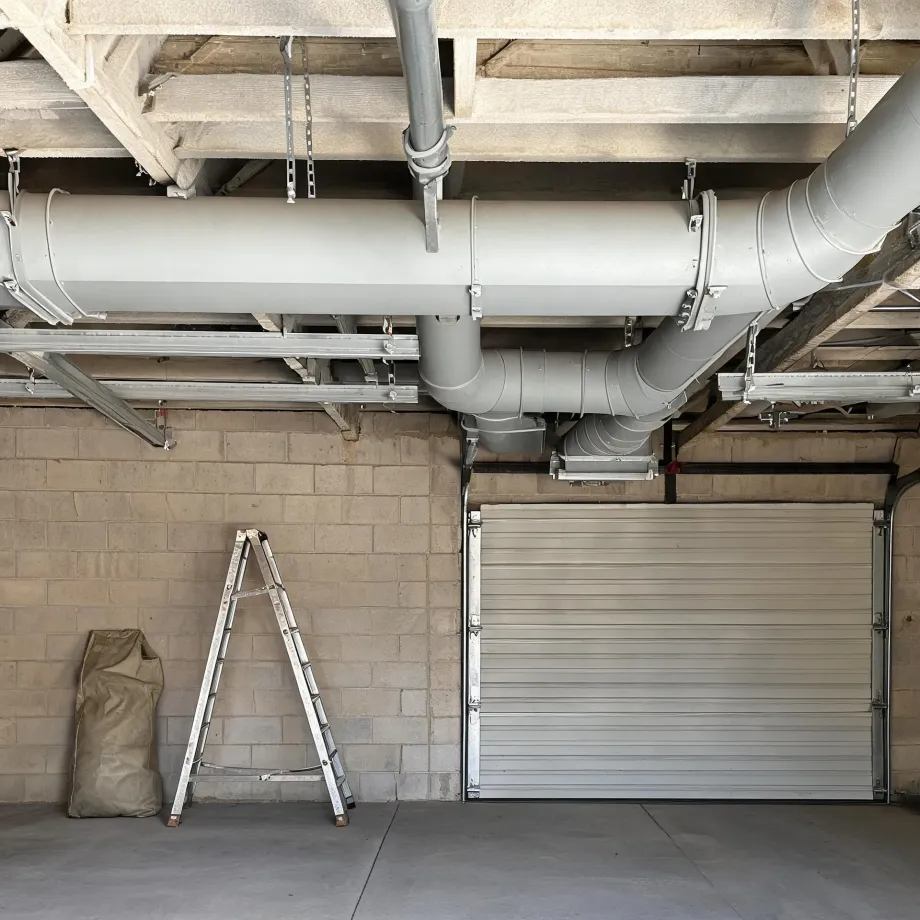
Furnaces in houses built for an earlier generation of heating equipment carry that history inside them, in ways that vary by unit rather than by age alone. Half the homes in Hamilton County, Tennessee were built in 1982 or earlier (2020-2024 ACS 5-year). That spread in the housing stock means a contractor opening a furnace here finds heat exchangers, burner assemblies, and ignition components whose condition reflects how that specific system has been run and serviced, not what the nameplate says. Parts that look fine from outside can show fatigue once the cabinet is open, and whether a given component is still in production is a question a contractor answers after opening the unit, not before.
The Parts of a Furnace a Contractor Checks First
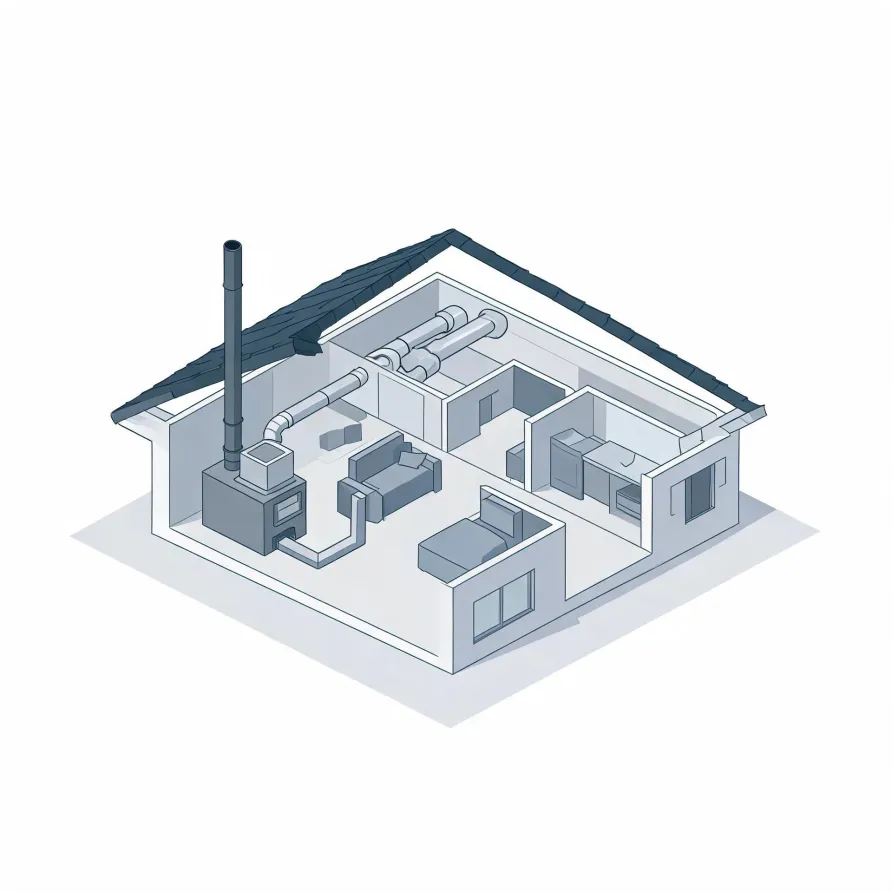
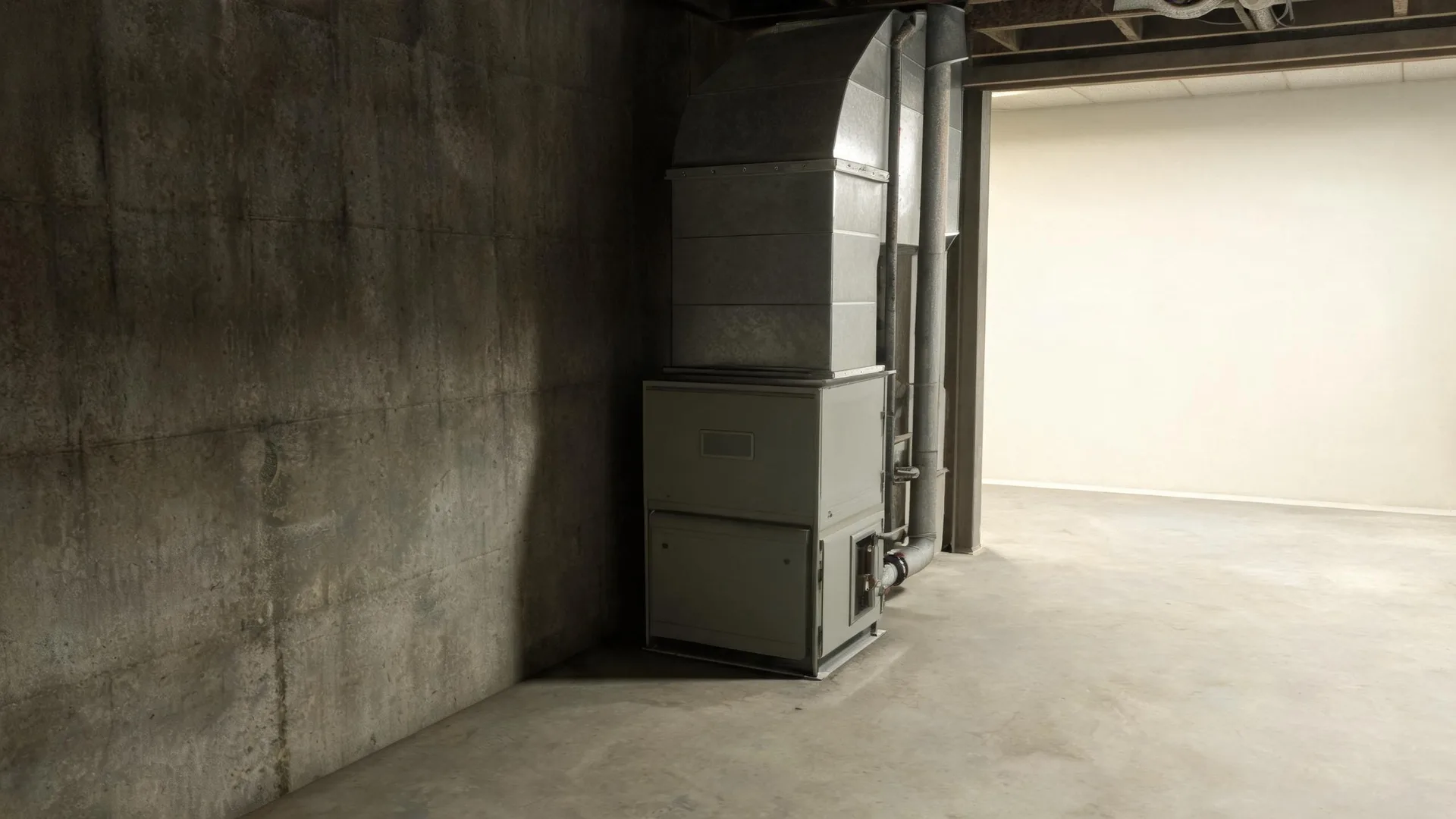
The heat exchanger sits inside the furnace cabinet and is where a contractor looks when the system runs but heat is not reaching the house. The burner assembly mounts just below it and is the first stop when the furnace fails to ignite or cycles off before the house reaches temperature. A cracked exchanger or a dirty burner accounts for a large share of furnace calls.
The blower motor and its wheel sit at the base of the cabinet and push conditioned air out through the supply side. The inducer motor pulls combustion gases out before a call for heat begins, and the control board runs the sequence that tells each of these parts when to act. A contractor who finds one part behaving oddly will often check the others in that chain before drawing a conclusion.
The drawing shows the general layout of a furnace system, and a licensed contractor determines which components apply to your specific setup.
Find a contractor in Hamilton CountyHamilton County, by the numbers
159 severe weather events were recorded in Hamilton County, Tennessee between 2015 and 2024.
NOAA National Centers for Environmental Information, Storm Events Database, bulk CSV export, events 2015-01-01 through 2024-12-31.Half the homes in Hamilton County, Tennessee were built in 1982 or earlier (2020-2024 ACS 5-year).
U.S. Census Bureau, 2020-2024 American Community Survey 5-Year EstimatesHamilton County, Tennessee holds 168,013 housing units (2020-2024 ACS 5-year).
U.S. Census Bureau, 2020-2024 American Community Survey 5-Year EstimatesOwners occupy 63.9% of the occupied homes in Hamilton County, Tennessee (2020-2024 ACS 5-year).
U.S. Census Bureau, 2020-2024 American Community Survey 5-Year EstimatesCodes & Standards Governing Furnace Repair in Hamilton County, Tennessee5 sourced rules and standards
What Happens When the Contractor Arrives
Non-weatherized gas furnaces manufactured on or after November 19, 2015 must reach 80.0 percent AFUE.
Non-weatherized oil-fired furnaces manufactured on or after November 19, 2015 must reach 83.0 percent AFUE.
Mobile home gas furnaces manufactured on or after November 19, 2015 must reach 80.0 percent AFUE.
Non-weatherized gas furnaces manufactured on or after December 18, 2028 must reach 95.0 percent AFUE, up from the 80.0 percent minimum that applies to units manufactured before that date.
Licensing and Legal Requirements in Hamilton County, Tennessee
Tennessee licenses contractors by classification, and HVAC, refrigeration and gas piping is one of them — a sub-classification of mechanical contracting on the licence the Board for Licensing Contractors issues.
Severe Weather Events in Hamilton County
Extreme weather puts real strain on furnace components, from heat exchangers to ignition systems, because the equipment runs hardest when conditions outside are worst. How often that happens in Hamilton County shapes how much wear local furnaces accumulate and what repair work looks like here.
159 severe weather events, 2015–2024. Source: NOAA National Centers for Environmental Information, Storm Events Database.