Tell us about the job
Takes about a minute. No obligation.
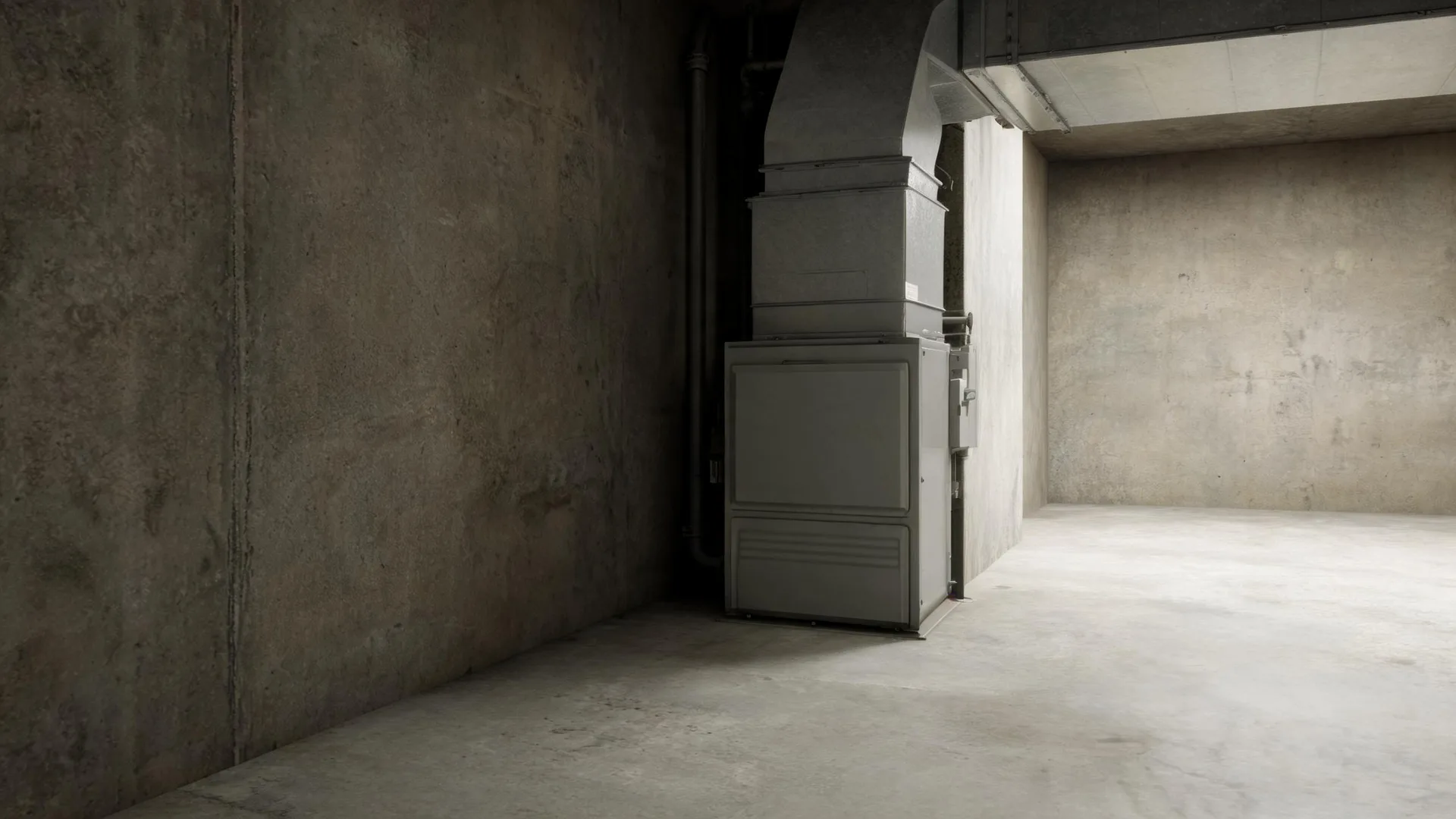
A furnace that stops working in Marshall County almost always has a story that starts years before the breakdown, not with a storm. 85 severe weather events were recorded in Marshall County, Tennessee between 2015 and 2024. At roughly that pace, severe weather is an event in this county, not a standing condition that grinds down equipment the way relentless seasonal extremes would. A contractor diagnosing a failed heat exchanger, a cracked inducer, or a failing control board here looks first at how old the unit is, whether filters got changed, and whether the system was ever serviced. Those are the variables that move. Weather load is real but light enough that a contractor who leans on it to explain a repair is pointing at the wrong thing.
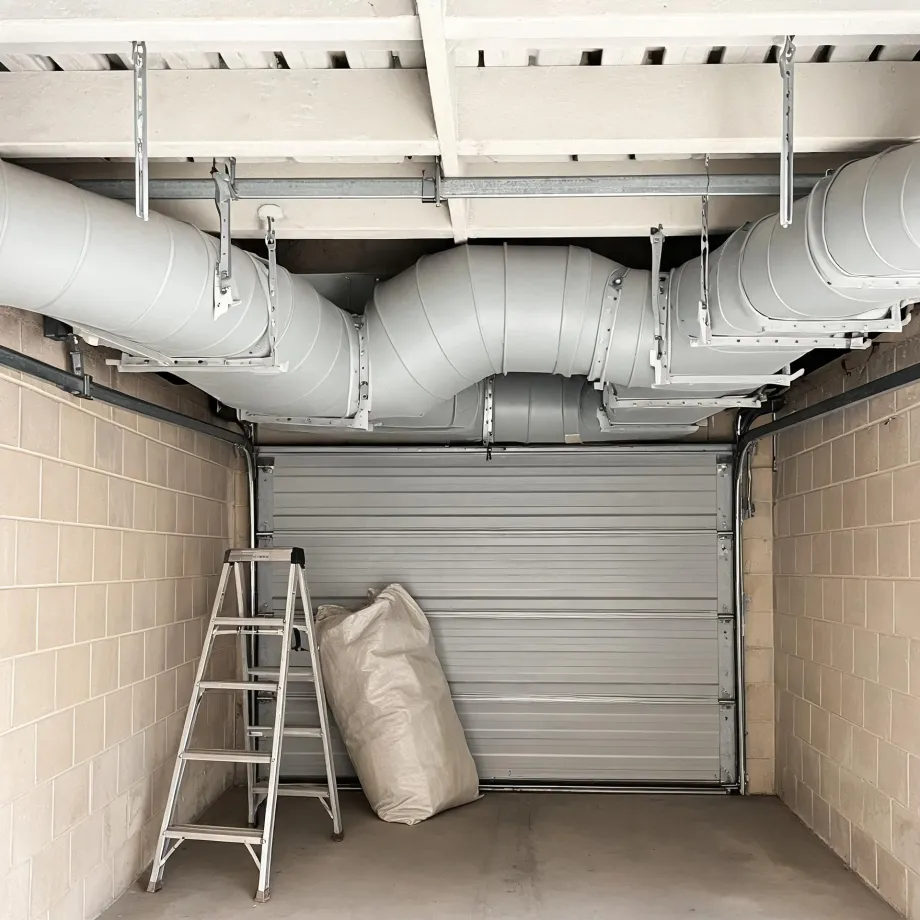
Furnaces in houses built for an earlier generation of heating equipment often ran for a long time before they were replaced, and the systems now in those houses carry that history in their components. Half the homes in Marshall County, Tennessee were built in 1991 or earlier (2020-2024 ACS 5-year). A contractor who opens a heat exchanger or a control board in stock this old finds parts whose production runs ended before current catalogs were printed. That gap between what the unit needs and what a supplier can ship the same week is where furnace repair in Marshall County gets complicated.
The Parts of a Furnace a Contractor Checks First
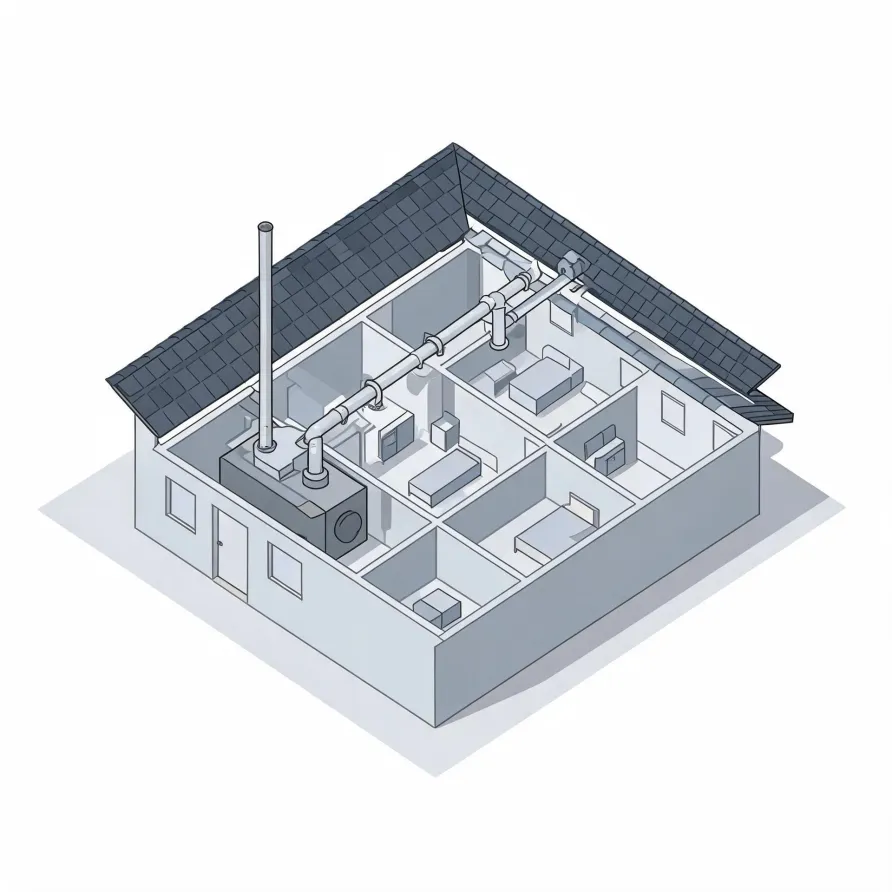
The heat exchanger sits at the core of the furnace cabinet, usually in a basement, utility room, or closet, and it is where combustion heat crosses into the air your home breathes. When it cracks or corrodes, the furnace may cycle on and off unpredictably or produce carbon monoxide. The burner assembly sits just below it and is one of the first places a contractor looks when ignition is weak or uneven.
The blower motor and its fan wheel sit at the base of the cabinet and push conditioned air out into the supply side of the house. The draft inducer, mounted near the flue collar, pulls combustion gases out safely before each firing cycle. The control board ties all of it together, and a fault there can mimic problems that actually belong to the sensors, the gas valve, or the igniter.
The drawing shows a typical furnace layout, and a licensed contractor determines which components apply and what condition they are in for your specific system.
Find a contractor in Marshall CountyMarshall County, Tennessee, by the numbers
85 severe weather events were recorded in Marshall County, Tennessee between 2015 and 2024.
NOAA National Centers for Environmental Information, Storm Events Database, bulk CSV export, events 2015-01-01 through 2024-12-31.Half the homes in Marshall County, Tennessee were built in 1991 or earlier (2020-2024 ACS 5-year).
U.S. Census Bureau, 2020-2024 American Community Survey 5-Year EstimatesMarshall County, Tennessee holds 14,749 housing units (2020-2024 ACS 5-year).
U.S. Census Bureau, 2020-2024 American Community Survey 5-Year EstimatesOwners occupy 76.8% of the occupied homes in Marshall County, Tennessee (2020-2024 ACS 5-year).
U.S. Census Bureau, 2020-2024 American Community Survey 5-Year EstimatesCodes & Standards Governing Furnace Repair in Marshall County, Tennessee5 sourced rules and standards
What Happens When the Contractor Arrives
Non-weatherized gas furnaces manufactured on or after November 19, 2015 must reach 80.0 percent AFUE.
Non-weatherized oil-fired furnaces manufactured on or after November 19, 2015 must reach 83.0 percent AFUE.
Mobile home gas furnaces manufactured on or after November 19, 2015 must reach 80.0 percent AFUE.
Non-weatherized gas furnaces manufactured on or after December 18, 2028 must reach 95.0 percent AFUE, up from the 80.0 percent minimum that applies to units manufactured before that date.
Licensing Rules for HVAC Repair in Marshall County, Tennessee
Tennessee licenses contractors by classification, and HVAC, refrigeration and gas piping is one of them — a sub-classification of mechanical contracting on the licence the Board for Licensing Contractors issues.
Severe Weather Events in Marshall County
Hard weather puts real hours on heating equipment. Every furnace that rides out a weather event runs under load, and that load accumulates into the repair calls Marshall County contractors see.
85 severe weather events, 2015–2024. Source: NOAA National Centers for Environmental Information, Storm Events Database.