Tell us about the job
Takes about a minute. No obligation.
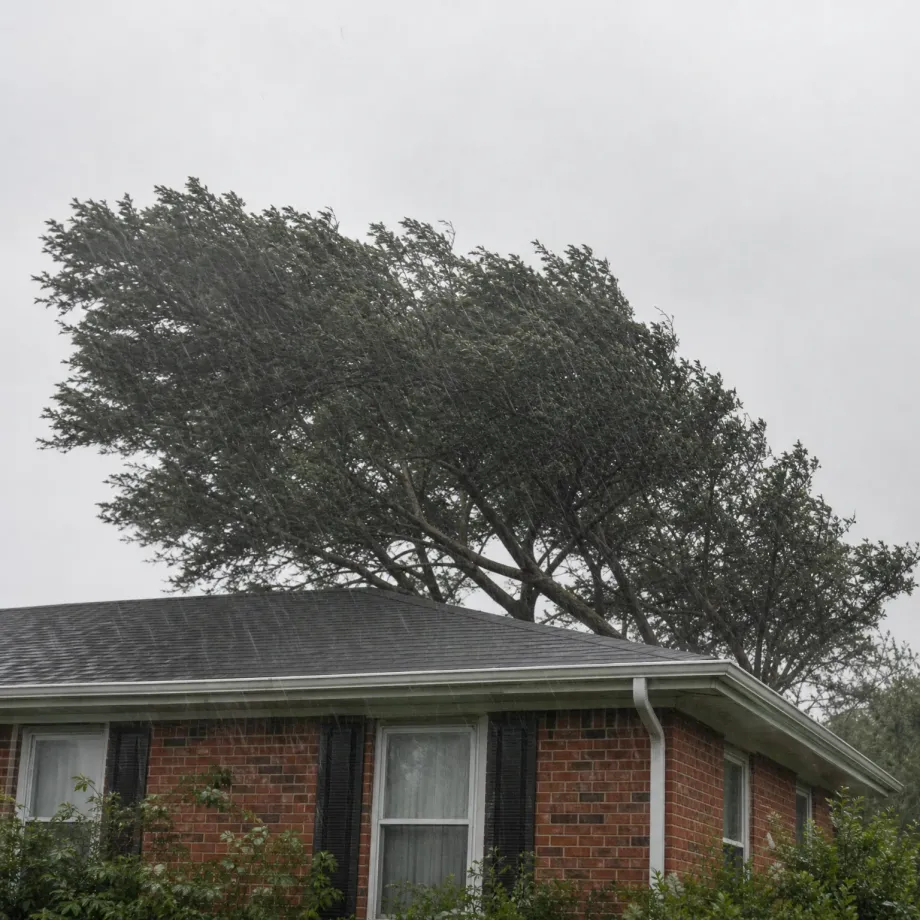
A contractor called out for furnace repair in Lincoln County has to account for what this area puts systems through before settling on a cause. 143 severe weather events were recorded in Lincoln County, Tennessee between 2015 and 2024. At that rate, severe weather is a standing condition here, not an occasional one, and heating equipment carries that load season after season. Heat exchangers crack under repeated thermal stress. Ignition components and pressure switches wear faster when a system is forced on and off hard. A contractor who skips those checks and goes straight to the blower motor or control board risks misreading where the real failure started.
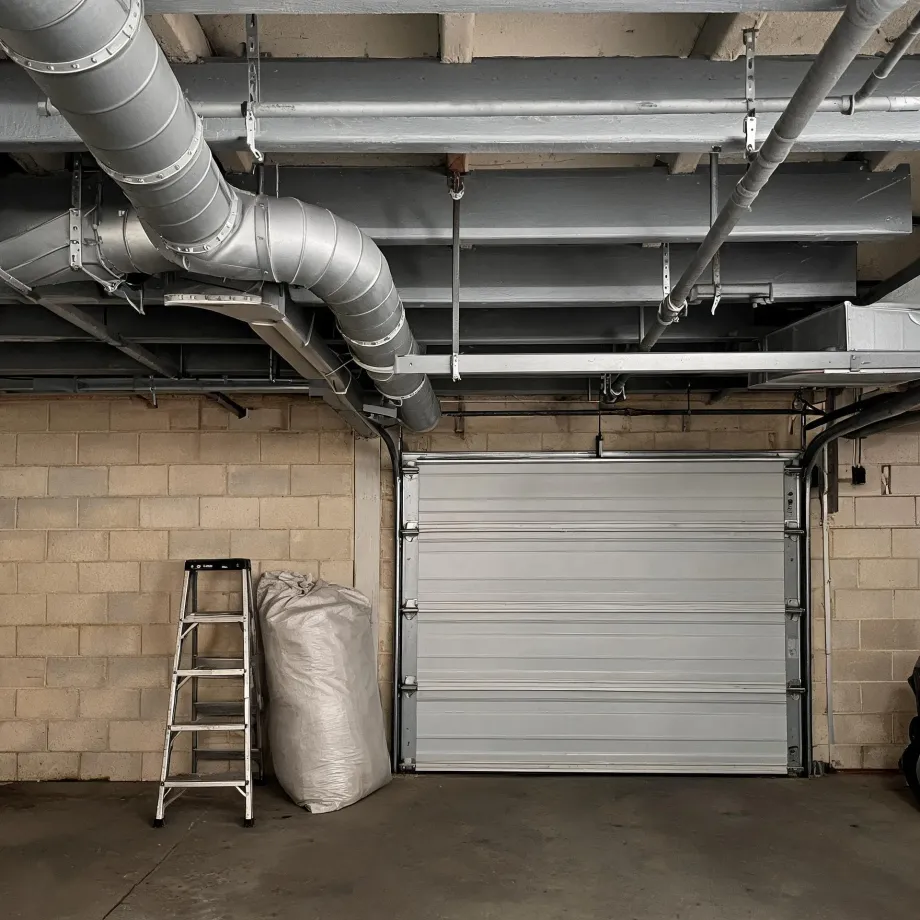
Furnace repair in older housing stock runs into a particular problem: the unit on the floor may predate the parts supply that still exists for it. Half the homes in Lincoln County, Tennessee were built in 1985 or earlier (2020-2024 ACS 5-year). A system installed into a house of that vintage has had time to cycle through components, and what a contractor finds once the heat exchanger or burner assembly is open may call for parts that manufacturers stopped producing years back. That gap between what the unit needs and what a distributor can actually ship is what sets the repair scope, and sometimes closes it.
The Parts of a Furnace a Contractor Checks First
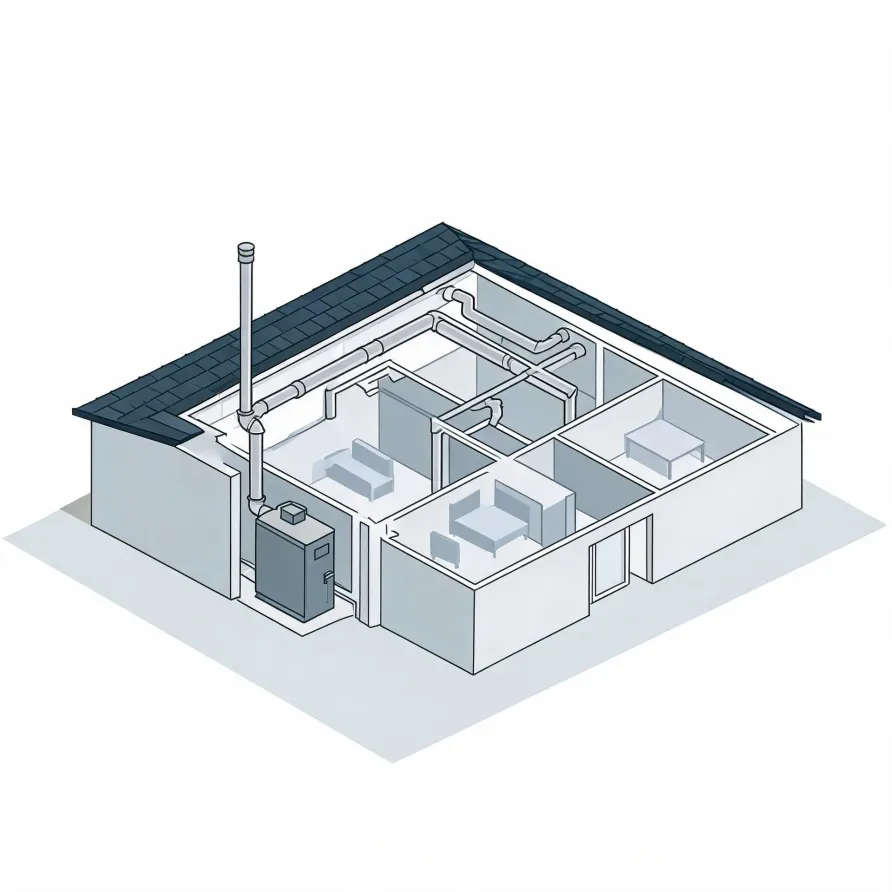
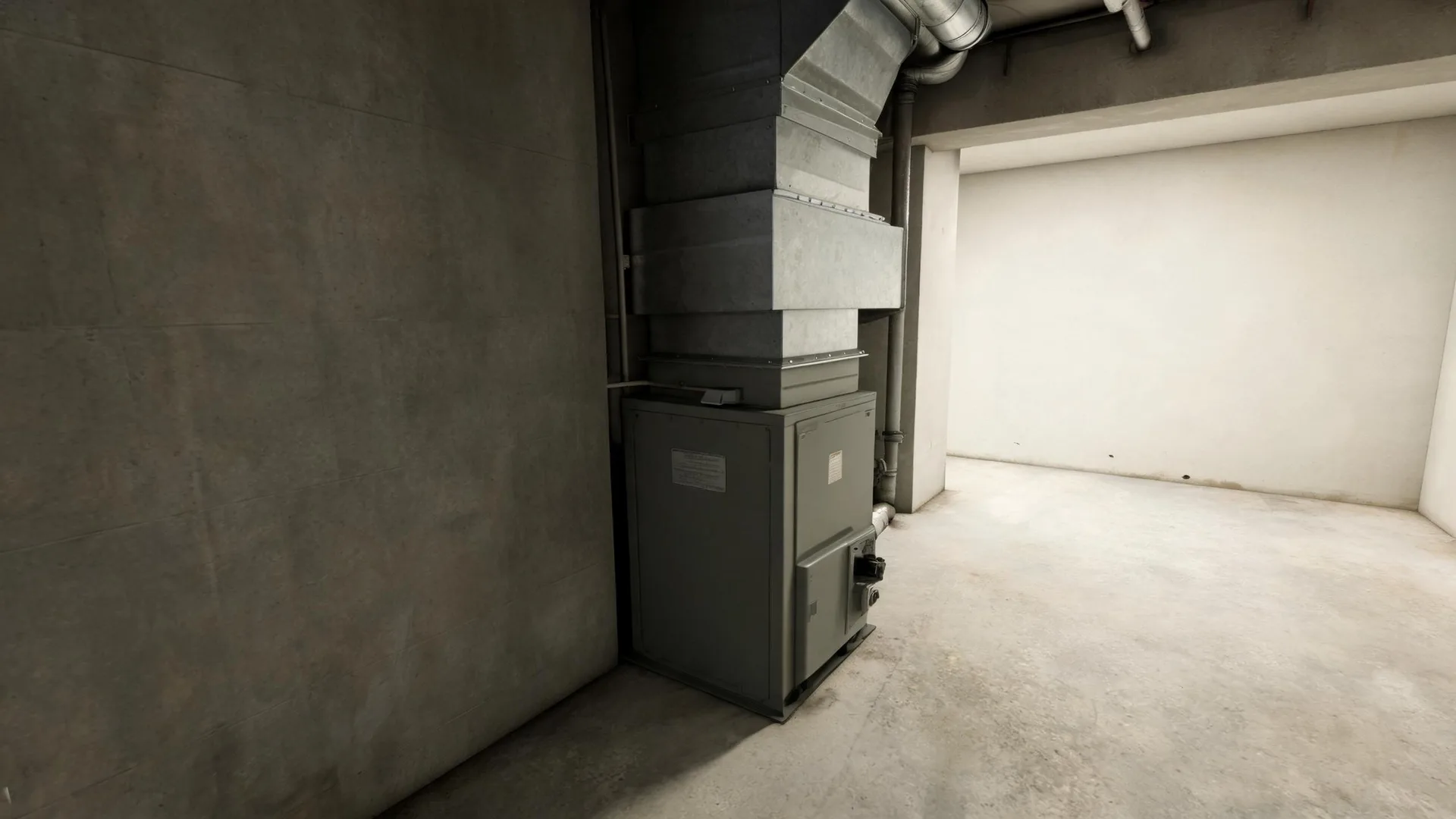
The furnace itself sits in a basement, utility closet, or crawlspace and is the piece a contractor goes to first. Inside it, the heat exchanger is the part that fails most quietly and matters most when it does, because it separates combustion gases from the air your household breathes. The burners and igniter are checked alongside it, since a furnace that won't light or won't stay lit almost always starts with one of those two.
The blower motor sits inside the furnace cabinet and pushes conditioned air out through the house. The flue pipe runs from the furnace to an outside wall or the roof and carries exhaust gases out. The thermostat, mounted on a wall inside the living space, is the control point a contractor checks early, because a wiring fault or a failed sensor there can mimic a much larger problem.
The drawing shows a typical furnace layout, and a licensed contractor determines which components apply to your specific system and home.
Find a contractor in Lincoln CountyLincoln County, by the numbers
143 severe weather events were recorded in Lincoln County, Tennessee between 2015 and 2024.
NOAA National Centers for Environmental Information, Storm Events Database, bulk CSV export, events 2015-01-01 through 2024-12-31.Half the homes in Lincoln County, Tennessee were built in 1985 or earlier (2020-2024 ACS 5-year).
U.S. Census Bureau, 2020-2024 American Community Survey 5-Year EstimatesLincoln County, Tennessee holds 16,291 housing units (2020-2024 ACS 5-year).
U.S. Census Bureau, 2020-2024 American Community Survey 5-Year EstimatesOwners occupy 75.8% of the occupied homes in Lincoln County, Tennessee (2020-2024 ACS 5-year).
U.S. Census Bureau, 2020-2024 American Community Survey 5-Year EstimatesCodes & Standards Covering Furnace Repair in Lincoln County, Tennessee5 sourced rules and standards
What Happens When a Contractor Comes Out
Non-weatherized gas furnaces manufactured on or after November 19, 2015 must reach 80.0 percent AFUE.
Non-weatherized oil-fired furnaces manufactured on or after November 19, 2015 must reach 83.0 percent AFUE.
Mobile home gas furnaces manufactured on or after November 19, 2015 must reach 80.0 percent AFUE.
Non-weatherized gas furnaces manufactured on or after December 18, 2028 must reach 95.0 percent AFUE, up from the 80.0 percent minimum that applies to units manufactured before that date.
Licensing Rules for HVAC Repair in Lincoln County, Tennessee
Tennessee licenses contractors by classification, and HVAC, refrigeration and gas piping is one of them — a sub-classification of mechanical contracting on the licence the Board for Licensing Contractors issues.
Severe Weather Events in Lincoln County
Hard weather puts real stress on furnace systems, and that stress compounds over time. What happens locally shapes how hard local equipment works, which makes this a repair question specific to Lincoln County.
143 severe weather events, 2015–2024. Source: NOAA National Centers for Environmental Information, Storm Events Database.