Tell us about the job
Takes about a minute. No obligation.
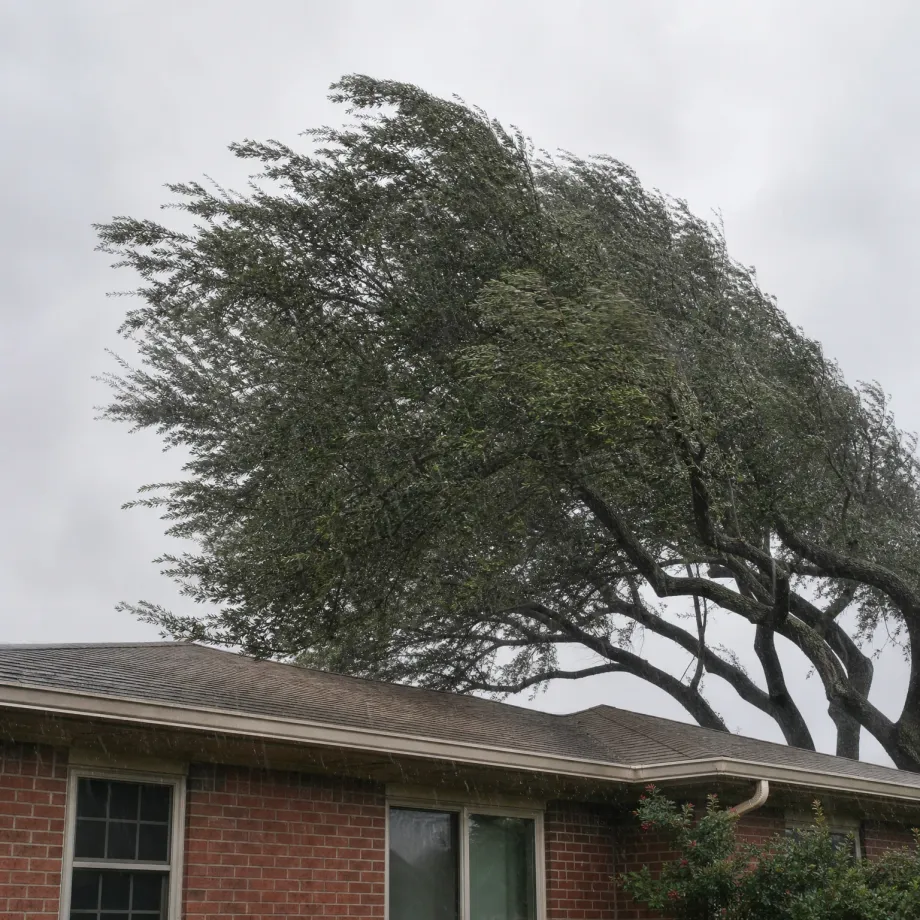
A furnace repair call in Obion County starts with age and installation quality, because those are what the evidence inside the equipment points to. 85 severe weather events were recorded in Obion County, Tennessee between 2015 and 2024. At that rate, severe weather is an event here, not a standing condition, so a contractor opening a heat exchanger or a draft inducer is looking at years of run hours and deferred service before they consider anything outside the house. Worn ignitors, cracked heat exchangers, and failing blower motors in this county trace back to how the system was sized, installed, and maintained.
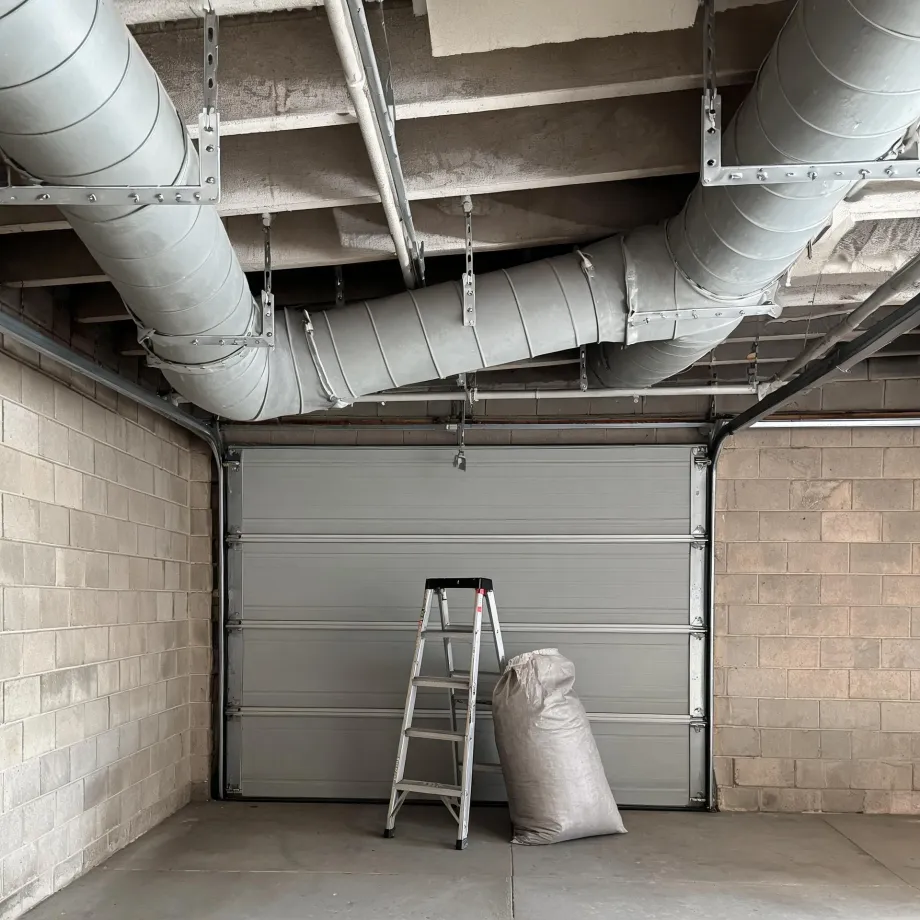
Ductwork and wiring in a house this old were sized and routed for whatever system was running decades before the current furnace arrived. Half the homes in Obion County, Tennessee were built in 1975 or earlier (2020-2024 ACS 5-year). That gap between the structure and the equipment matters most when a repair opens the unit and the failed component turns out to be a part the supply chain no longer stocks in volume. A contractor sourcing that part either finds it through a specialty distributor or comes back with a different conversation about what the repair actually costs.
The Parts of a Furnace a Contractor Checks First
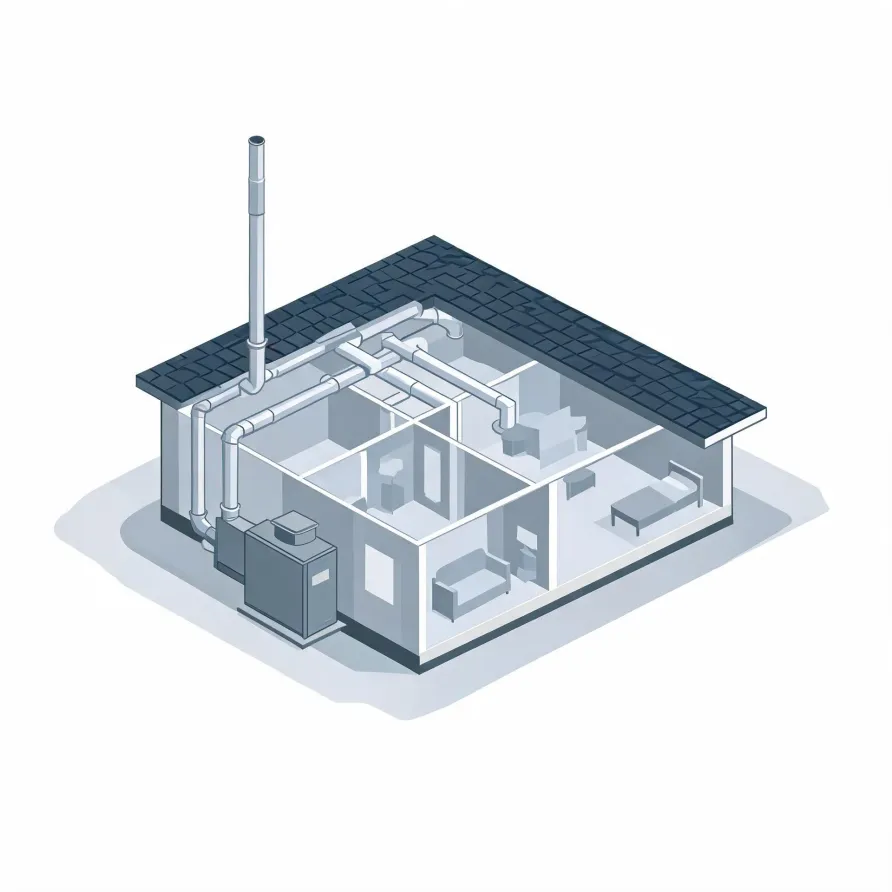
The furnace itself sits in the basement, utility closet, or attic and is the unit a contractor opens first. Inside it, the heat exchanger is the piece most worth understanding: a crack or breach there is what pushes a repair from minor to urgent. The burners, which fire inside that exchanger, are another early stop.
The blower motor sits at the base of the furnace cabinet and pushes conditioned air out through the supply side of your duct system. Alongside it, the control board reads signals from the thermostat and tells each component when to act. A contractor also checks the flue, which exits the cabinet and vents combustion gases out of the living space.
The drawing shows a representative layout, and a licensed contractor determines which components apply and what condition they are in for your specific home.
Find a contractor in Obion CountyObion County by the numbers
85 severe weather events were recorded in Obion County, Tennessee between 2015 and 2024.
NOAA National Centers for Environmental Information, Storm Events Database, bulk CSV export, events 2015-01-01 through 2024-12-31.Half the homes in Obion County, Tennessee were built in 1975 or earlier (2020-2024 ACS 5-year).
U.S. Census Bureau, 2020-2024 American Community Survey 5-Year EstimatesObion County, Tennessee holds 14,326 housing units (2020-2024 ACS 5-year).
U.S. Census Bureau, 2020-2024 American Community Survey 5-Year EstimatesOwners occupy 68.1% of the occupied homes in Obion County, Tennessee (2020-2024 ACS 5-year).
U.S. Census Bureau, 2020-2024 American Community Survey 5-Year EstimatesCodes & Standards Governing Furnace Repair in Obion County, Tennessee5 sourced rules and standards
What Furnace Repair Looks Like in Obion County
Non-weatherized gas furnaces manufactured on or after November 19, 2015 must reach 80.0 percent AFUE.
Non-weatherized oil-fired furnaces manufactured on or after November 19, 2015 must reach 83.0 percent AFUE.
Mobile home gas furnaces manufactured on or after November 19, 2015 must reach 80.0 percent AFUE.
Non-weatherized gas furnaces manufactured on or after December 18, 2028 must reach 95.0 percent AFUE, up from the 80.0 percent minimum that applies to units manufactured before that date.
Licensing Rules for HVAC Work in Obion County, Tennessee
Tennessee licenses contractors by classification, and HVAC, refrigeration and gas piping is one of them — a sub-classification of mechanical contracting on the licence the Board for Licensing Contractors issues.
Severe Weather Events in Obion County
Hard weather puts furnaces to work, and repeated stress on equipment is what drives repair needs over time. How often that stress hits Obion County shapes the kind of upkeep local furnaces actually require.
85 severe weather events, 2015–2024. Source: NOAA National Centers for Environmental Information, Storm Events Database.